Liposuction is one of the most popular cosmetic procedures worldwide — and for good reason. It offers a safe, effective way to contour the body by removing stubborn fat deposits that don’t respond to diet and exercise. But while “before-and-after” photos can be tempting, it’s important to remember: liposuction is still surgery, and safety should always come first.
At Rao Aesthetics, Jamnagar, we believe informed decisions lead to better outcomes. So let’s break down what liposuction really is, who it’s right for, and how to ensure it’s done safely.
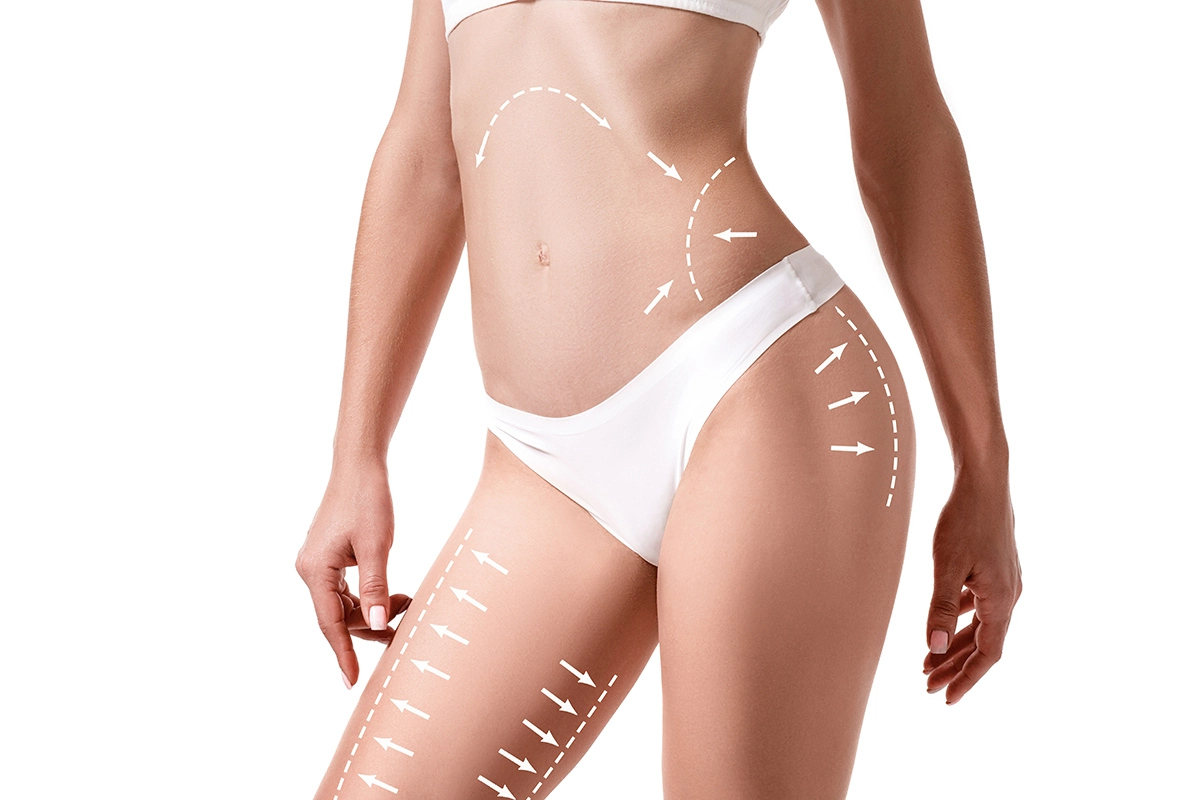
Liposuction is a cosmetic surgery that removes subcutaneous fat (the fat under your skin) using a suction technique. Common areas treated include:
• Abdomen
• Thighs
• Hips
• Arms
• Chin / Neck
• Back and flanks
But here’s the key: liposuction is not a weight-loss method. It won’t shrink visceral fat (the fat around your organs) and it won’t replace diet or exercise. Instead, think of it as a body-contouring tool — a sculptor’s finishing touch to refine and enhance your natural shape.
When performed by a qualified plastic surgeon in an accredited facility, liposuction has a low complication rate (0.7%–0.9%). But its safety depends on several crucial factors:
Good candidates are individuals who:
• Are in good overall health
• Have stubborn fat pockets resistant to diet and exercise
• Have good skin elasticity and muscle tone
• Are at or near their ideal weight
• Do not smoke
Those with uncontrolled medical conditions, weak immunity, or unwillingness to stop smoking are not suitable candidates.
This cannot be overstated: liposuction should only be performed by a board-certified plastic surgeon (MCh-qualified). A trained surgeon not only knows how to perform the surgery, but also when not to.
Liposuction is surgery — not a spa treatment. It should only be done in an accredited operating room with proper anesthesia, sterile precautions, monitoring, and emergency protocols.
Safe fat removal is usually less than 5 litres in a single session. Large-volume liposuction or multiple areas can be performed, but only in proper hospitals with critical care backup. Attempting more than what’s safe increases risks such as fluid imbalance, low hemoglobin, or fat embolism.
The journey doesn’t end when surgery does. Recovery includes:
• Wearing compression garments
• Managing swelling and bruising
• Avoiding strenuous activity until cleared
• Attending follow-up visits
• Watching for warning signs (fever, excessive swelling, discharge, shortness of breath)
Proper aftercare ensures smoother healing and better results.
Even when done safely, liposuction carries potential risks. These may include:
• Bruising, swelling, or soreness (common, temporary)
• Contour irregularities (rippling, uneven fat removal)
• Numbness or temporary nerve changes
• Seroma (fluid accumulation)
• Infection (rare but serious)
• Fat embolism (very rare but life-threatening)
• Skin necrosis or pigmentation changes
• Blood clots (DVT/PE)
• Anaesthesia-related complications
An ethical surgeon will always discuss these risks openly before you consent to surgery.
❌ “Liposuction is for weight loss.”
✅ Liposuction is for body contouring, not obesity treatment.
❌ “It’s a quick lunch-hour procedure.”
✅ It’s real surgery, requiring anaesthesia, recovery time, and medical monitoring.
❌ “Anyone with a machine can do it.”
✅ Only a trained, certified plastic surgeon should perform liposuction.
Liposuction can be life-changing — not because it turns you into someone else, but because it helps you feel more confident in your own skin. But like every surgery, it demands judgment, precision, and respect for safety.
At Rao Aesthetics, Dr. Meenakshi Rao and her team prioritise safety, ethics, and natural-looking results. Every patient undergoes a thorough evaluation, tailored treatment plan, and structured recovery guidance. Because when it comes to your body, shortcuts have no place.
✨ Safe slimming isn’t about removing more fat — it’s about making the right choices.