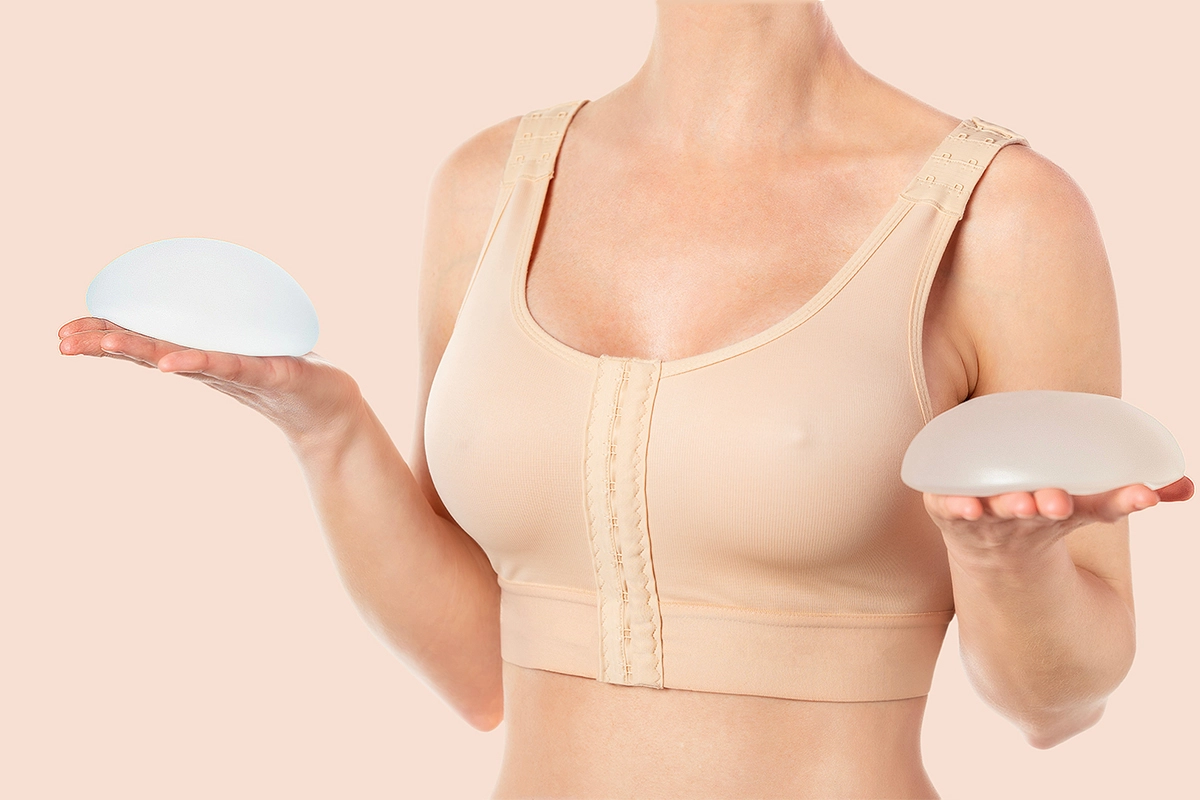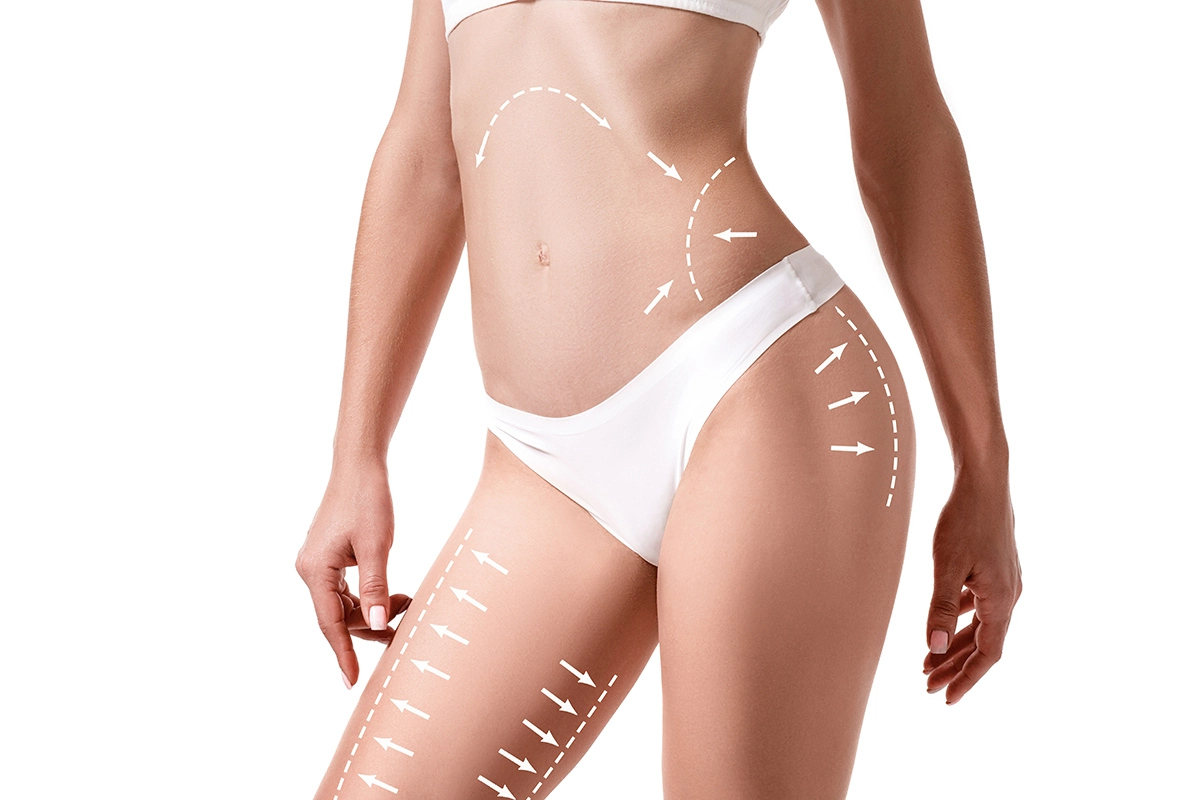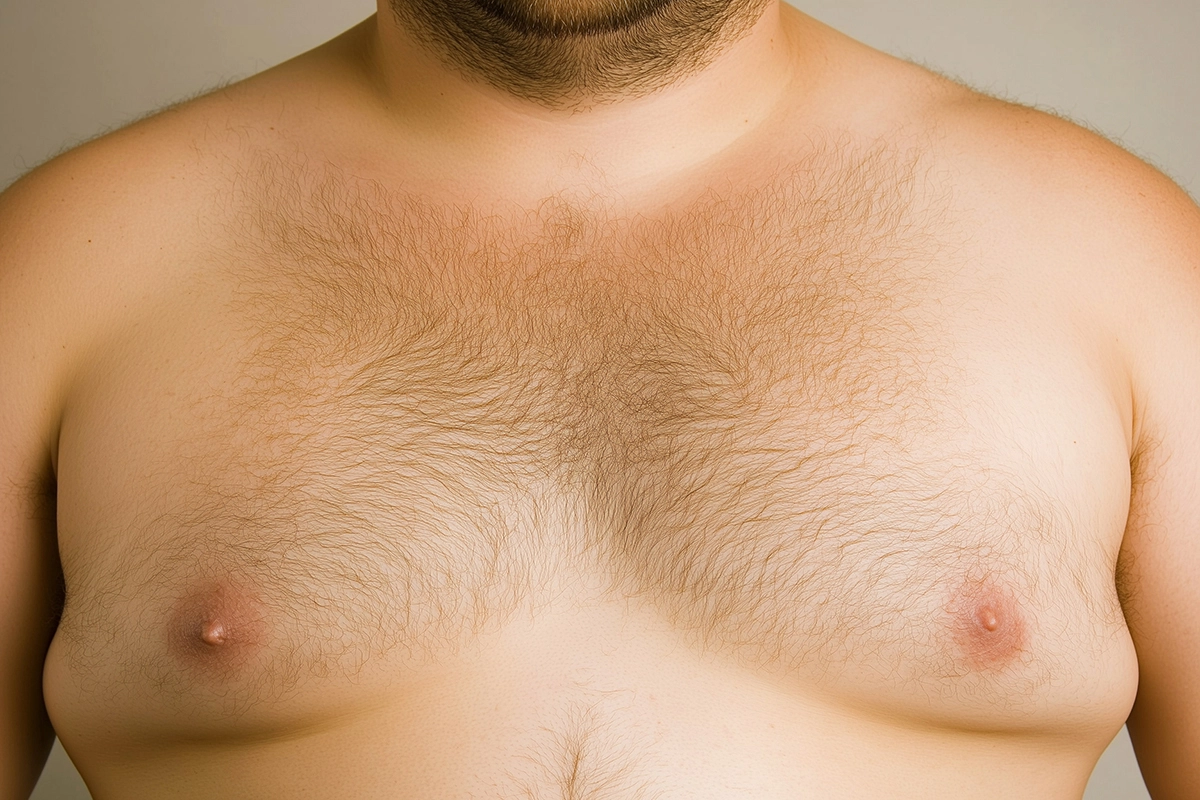
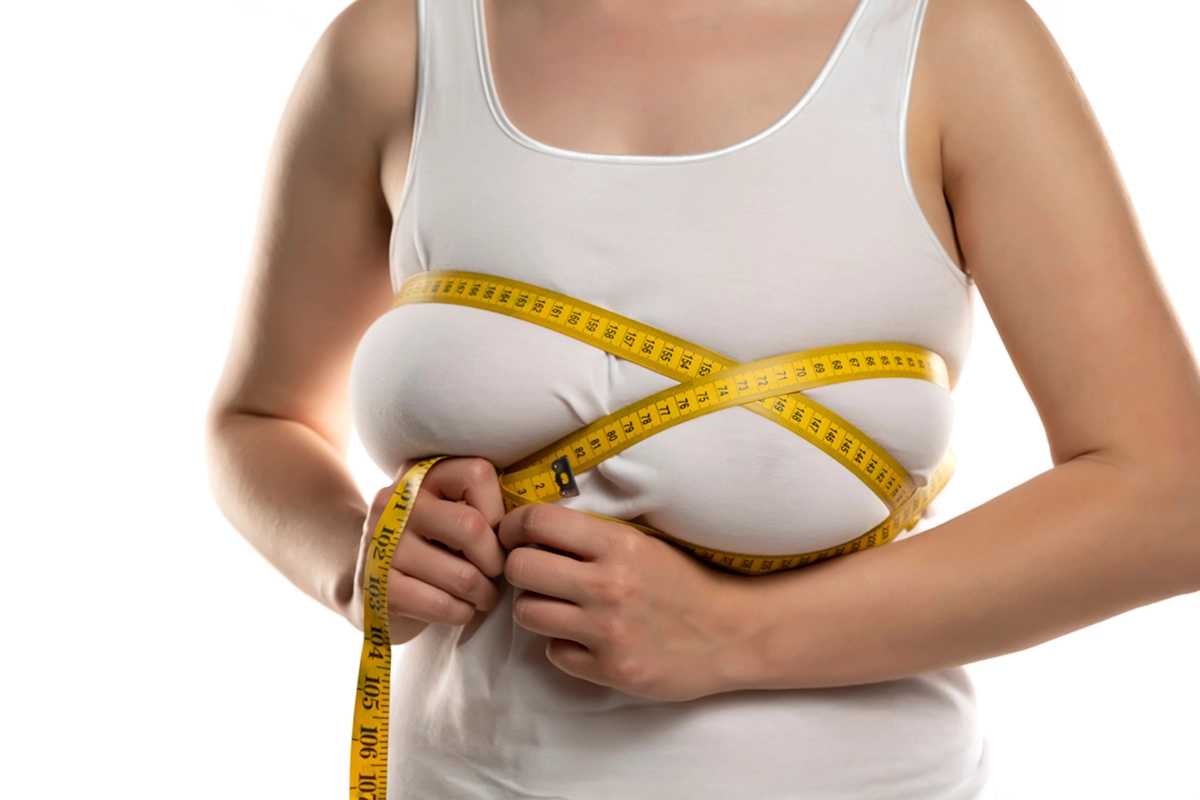
For many women, overly large breasts can be more than just an aesthetic concern. They can cause physical pain, emotional distress, and social discomfort. Breast reduction surgery, also known as reduction mammoplasty, is a life-changing solution that helps women feel lighter, freer, and more confident in their own skin.
While breast size varies naturally, excessively large breasts (a condition called macromastia) can create challenges that affect both health and lifestyle. Women with macromastia may experience:
• Chronic neck, shoulder, and back pain
• Bra strap grooving and shoulder discomfort
• Skin rashes or fungal infections under the breast fold
• Difficulty exercising or finding clothes that fit properly
• Poor posture due to the weight of the breasts
• Unwanted attention, teasing, or self-consciousness
For some women, breasts may enlarge rapidly after pregnancy, breastfeeding, or weight gain, making these issues even more pronounced.
Breast reduction surgery is a safe and effective procedure that:
1. Removes excess breast tissue, fat, and skin
2. Lifts and reshapes the breasts to improve comfort and aesthetics
3. Repositions the nipples for a natural, proportionate look
The surgery is usually performed under general anesthesia and takes about 2–3 hours. Incisions are planned carefully so that scars are hidden along the breast crease or around the areola.
Women who undergo breast reduction often describe it as a life-changing procedure. Benefits may include:
• Relief from back, neck, and shoulder pain
• Improved posture and mobility
• Greater comfort during exercise and daily activities
• Better clothing options and bra fit
• Reduced rashes and skin irritation
• Boosted confidence and self-esteem
Simply put, many women feel “a weight lifted off their shoulders”—both literally and emotionally.
Recovery varies from person to person, but here’s what to expect:
• Initial discomfort: Some swelling, soreness, and bruising are common in the first few days.
• Supportive bra: You’ll be asked to wear a supportive bra immediately after surgery.
• Rest: Avoid strenuous activity for 3–4 weeks. Gentle movement is encouraged.
• Follow-up visits: Your surgeon will monitor healing and remove stitches/drains if used.
• Scarring: Scars fade over time and are usually well hidden in natural breast folds.
Most women can resume normal activities within a few weeks and enjoy lasting relief.
Will I lose nipple sensation?
In most cases, sensation is preserved. Rarely, when breasts are very large, nipple repositioning may affect sensitivity.
Can I breastfeed after breast reduction?
Many women are able to breastfeed, but it depends on the surgical technique and individual anatomy.
Can I choose my new breast size?
Your surgeon can guide you, but cup size prediction is not always exact as brands vary. The goal is proportion, comfort, and a natural look.
Like any surgery, breast reduction carries some risks, including:
• Temporary or permanent changes in nipple sensation
• Infection or delayed wound healing
• Asymmetry in size or shape
• Difficulty breastfeeding in some cases
A thorough consultation with a qualified plastic surgeon helps minimize these risks.
Breast reduction is not just a cosmetic choice—it’s a medical and emotional relief for women struggling with the weight of oversized breasts. Many women report:
• Improved sleep and comfort
• Freedom to play with children or exercise without pain
• Renewed confidence and happiness in their bodies
If you’ve been silently coping with pain, posture problems, or self-consciousness due to large breasts, know that you are not alone—and you don’t need to suffer in silence.
At Rao Aesthetics, Dr. Meenakshi Rao specializes in breast reduction surgery tailored to your unique needs. From consultation to recovery, you’ll receive expert care with a focus on safety, comfort, and natural results.
✨ Smaller. Lighter. Happier. ✨
📞Book your consultation today and take the weight off your shoulders.